

The food revolution
- anna
- Aug 21, 2019
- 5 min read

Over the last year or so, given the increasing press coverage, I started to be fascinated by the growing relevance of vegan and vegetarian eating, including the development of meat-like products as hamburgers, hot dogs, kebabs etc.
Whilst I appreciate and enjoy the fact that there is increasing acceptance of people choices around eating vegan and/ or healthy food, given I also try to follow a healthy and plant-heavy diet, some recent trends and developments in the food industry made me worry a bit; this post is aimed at sharing my humble opinion regarding this matter and also at informing people (especially in Italy, where probably not all these developments have arrived yet) on where the future of food could drive us to.
1. The rising popularity of plant-based meat and fish alternatives
Let’s start with the first key trend around the increasing offer of lab developed meat (and most recently fish) substitutes. Below a simple table outlining key brands offering these products.
To be clear, I am not mentioning plant-based alternatives to cheese, given this is a slightly more developed trend and there are plenty of options from cashew cheese, to the soy one or rice milk based mozzarella. And by the way developments have been made also for plant-based eggs …

Now, you will be asking, if there is no meat or fish in these plant-based products what are they made from to be so similar to the real product in terms of color and taste (I have not tried plant-based meat given I do not like meat at all, but I am keen to try fake fish once it will be more widespread in UK)? Taking the example of meat, which has recently had a lot of press given the success of the Beyond and Impossible Burger:
- The Beyond Burger is made mostly of pea proteins and mung bean protein; most of the other ingredients are plant-based fats (Canola Oil, Coconut Oil, Cocoa Butter), aromas and salt (Vinegar, Lemon, Apple Extract) and finally beet juice extract for the color
- The Impossible Burger is made mostly of soy protein, coconut and sunflower oil and natural flavors (~98% of ingredients)
Whilst these plant-based very resembling meat alternatives represent an interesting option for meat eaters willing to reduce real meat consumption, we should watch out to the nutritional value of these meals and to the fact that, despite being plant-based, they do not represent a substitute to ‘real’ vegetables.

Looking at the nutritional value, in fact, you realise that there is not much difference between the calories of a patty of these plant-based burgers (250 kcal for Beyond burger, with 18g of fat and 390 mg of sodium and 240 kcal for Impossible burger, with 14g of fat and 370 mg of sodium) and a beef burger (287 kcal, with 23g of fat and 75 mg). This means it is worth leveraging these products (if you enjoy them) as a tasty and plant-based substitute to your usual burger, but we should not abuse of these products as they also contain a lot of fats and sodium.
However, a few start-ups have emerged trying to develop plant-based fish substitutes; the most stunning I have read about is Ocean Hugger’s Ahimi (nigiri in picture), which is a plant-based alternative to raw tuna made of fresh tomatoes, non-GMO soy sauce, filtered water, sugar and sesame oil.
They are also developing Sakimi – a carrot-based salmon alternative – and Unami – an eggplant-based eel alternative.

To close out on this first topic of food revolution, it is always good to have more choices to meet demand for more plant-based food, but we should always keep the right balance between processed foods and more natural, even if sometimes non-plant based products, also for the sake of our health.
2. The rising popularity of delivery businesses
The other trend which I want to talk about here is the increasing adoption of food delivery. The perception of food delivery has changed drastically over the past few years thanks to players as Deliveroo, UberEATs and other in this space, which have brought forward the idea to leverage restaurant capacity to deliver better quality products and healthier options to customers' homes and I think this is a great idea, both for consumers and restaurants.
Honestly, I have also leveraged this innovative offer back in Milan when I was working in consulting and arriving home at around 10 pm#: having the opportunity to eat something healthy as a grilled fish for example, instead of a pizza delivery was something really appealing to me.

Talking numbers, the global online delivery segment is quite big and showing significant growth: it was worth ~$92b in 2018 and expected to grow by ~10% p.a. to reach ~$145b in 5 year time. China is the biggest contributor (~$42b), but also UK for example is an area which is expected to grow quite significantly (from $3b to $5+b in 2023).
A few recent trends have brought me, however, to think a bit more about if all this development in food delivery is effectively good. I am thinking about the phenomenon of ‘Dark Kitchens’.

If you are not aware about this trend, dark kitchens consist in the business of renting professional kitchens for businesses which don’t want to open a proper restaurants and having all the costs associated to it; naturally dark kitchens' success has been allowed by the increasing popularity of deliveries, which allows these companies to just work as a delivery business, by leveraging the different Deliveroos and UberEATs services. Travis Kalanick, Uber founder, has invested last year in one of the major providers of dark kitchens (Foodstars), just to prove the relevance of this trend.
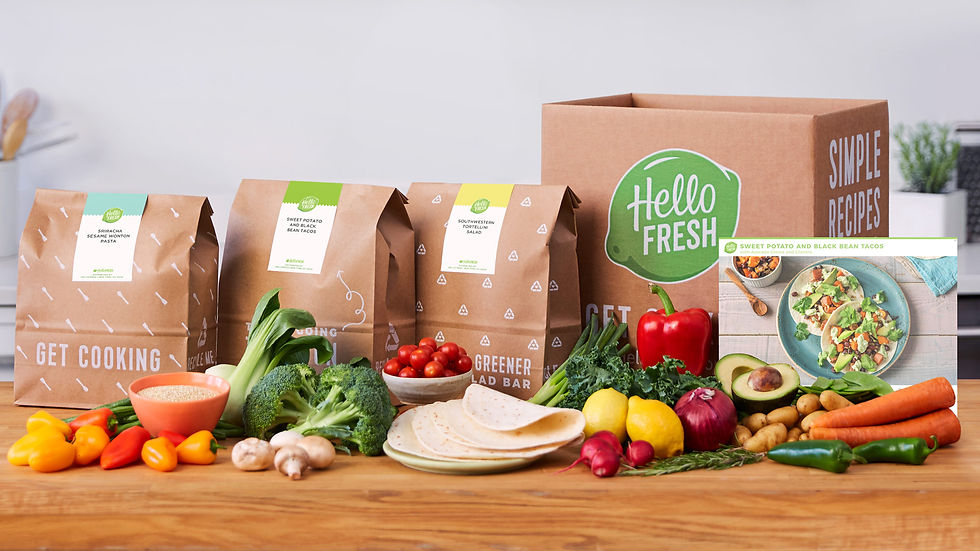
Another trend close to online delivery is the increasing offering of recipe boxes (meaning providing you with the recipe and all the ingredients you need to prepare the dish, usually in a form of a box with multiple recipes and ingredients you get every week or month). I am thinking about the likes of Hello Fresh, Gousto and all the variants as vegan boxes from Oddbox or Mindful Chef. Also in this case, the fact that people that are not let's say the Gordon Ramsay of the kitchen, can prepare also pretty elaborate recipe is great and for sure better than eating a frozen/ ready-to eat Shepard pie, but ... let's not lose completely our creativity and the pleasure to think about what to cook for a special dinner or even a simple dinner, do to the grocery store to select the ingredients and cook, even without following a specific recipe!
All these developments are really exciting on one side, but if you stop one second and reflect and maybe think about the future, not that long from now, say 20 to 30 years, what can you imagine? Taking it really distopically, if these trends continue aggressively we could find ourselves eating a choice of fake burgers, sushi or eggs without the need to cook anything or go out for a Saturday night dinner, given that with a click and in a short time frame we can get whatever we want from our closest dark kitchen at home …. How does it sound? Not great for me!!
To summarise, I am very excited myself about all this development and the resulting increase in choices, in particular when it comes to healthier food. However, I personally still like to cook my own food and go out for a good dinner out with Francesco and I hope that technology progress does not drive us in a world when these things are not appreciated anymore.
For more information some useful links below (Financial Times is subscription only sorry!):


Comments